

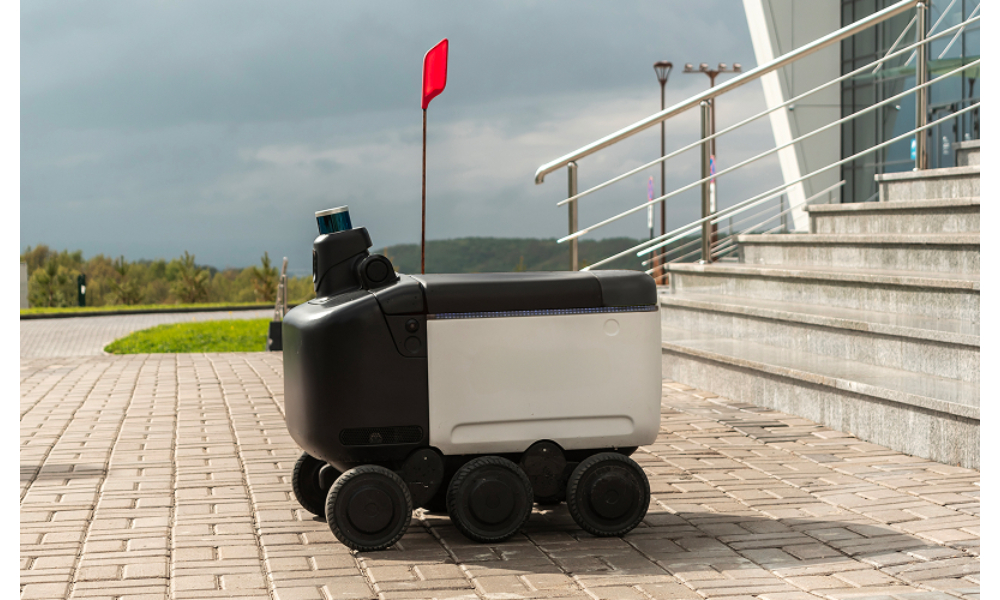
Smart cities are built on a promise of safety, efficiency, and adaptability. Yet, as populations rise and infrastructure grows complex, maintaining consistent public safety becomes a challenge. This is where AI-powered security solutions and robot security guards in Singapore come in. They serve as the connective layer between humans, data, and automation, strengthening how cities respond to threats and manage public spaces. Here are ten everyday benefits of these systems and how they support next-generation smart city security solutions.
1. Continuous and Consistent Patrols
Unlike human officers who work in shifts, robot security guards operate continuously. They patrol car parks, commercial plazas, and transport hubs without fatigue or bias. Their presence deters crime, records detailed footage, and fills coverage gaps in urban zones that are hard to monitor manually.
2. Faster Emergency Detection
AI-powered robots recognise unusual activity, such as running crowds, smoke, or fallen objects. Equipped with thermal sensors and real-time data sharing, they alert authorities within seconds. Early detection not only prevents escalation but also improves safety outcomes for both responders and civilians.
3. Reduced Risk for Human Personnel
Some environments expose security staff to unnecessary danger, such as chemical zones, tunnels, or unstable structures. Robots can perform the first inspection, analyse air quality, and record readings. Once conditions are verified safe, human teams can step in, reducing exposure and liability.
4. Real-Time Communication with Control Centres
Every robot connects to a central platform that tracks location, power levels, and sensor data. When an alert occurs, live feeds reach control rooms instantly. This coordination allows staff to monitor multiple areas simultaneously and dispatch responders strategically, improving efficiency and clarity.
5. Enhanced Public Engagement
Modern robot security guards are designed to interact with citizens. They can provide directions, make announcements, or alert the public to restricted zones. Their friendly design encourages cooperation, while built-in microphones and speakers make them useful during events or emergencies.
6. Smarter Use of Urban Data
Each patrol collects valuable environmental and behavioural data. When compiled, this information helps city planners identify blind spots, inefficient lighting, or recurring congestion areas. Over time, insights from AI-powered security solutions inform upgrades in urban layout and infrastructure design.
7. Lower Operational Costs
Although initial installation costs are higher, robotic patrols lower long-term expenses. They reduce the need for extensive night shifts, minimise false alarms, and maintain consistent quality. Maintenance cycles are predictable, and software updates extend lifespan, providing steady returns on investment.
8. Accessibility and Inclusivity
Smart city security solutions aim to serve all residents equally. Robots equipped with voice guidance, visual cues, and real-time translation make it easier for non-native speakers or people with disabilities to navigate spaces safely. This inclusivity reinforces community trust in public systems.
9. Sustainable Urban Surveillance
Electric-powered patrol robots consume minimal energy and can recharge autonomously at solar-supported docking stations. Route optimisation reduces unnecessary movement, lowering carbon emissions. Their eco-friendly operation aligns with the sustainability goals of smart urban development.
10. Strengthened Crime Prevention and Public Confidence
Visible robotic patrols reassure citizens that surveillance is active, fair, and consistent. Recorded data supports evidence-based policing while protecting transparency. The reliability of AI-powered systems encourages public confidence and complements human security teams rather than replacing them.
Conclusion
Robot security guards represent a practical, data-driven extension of public safety. Their ability to detect issues early, collect environmental data, and maintain constant visibility makes them vital to modern cities. With AI-powered security solutions integrated into broader smart city security systems, urban safety becomes proactive, sustainable, and inclusive. The next phase of city management will depend not just on more personnel but on smarter, connected machines that work side by side with people to keep public spaces secure.
To implement advanced robotic patrol and monitoring systems tailored for smart city safety, contact KABAM Robotics.